


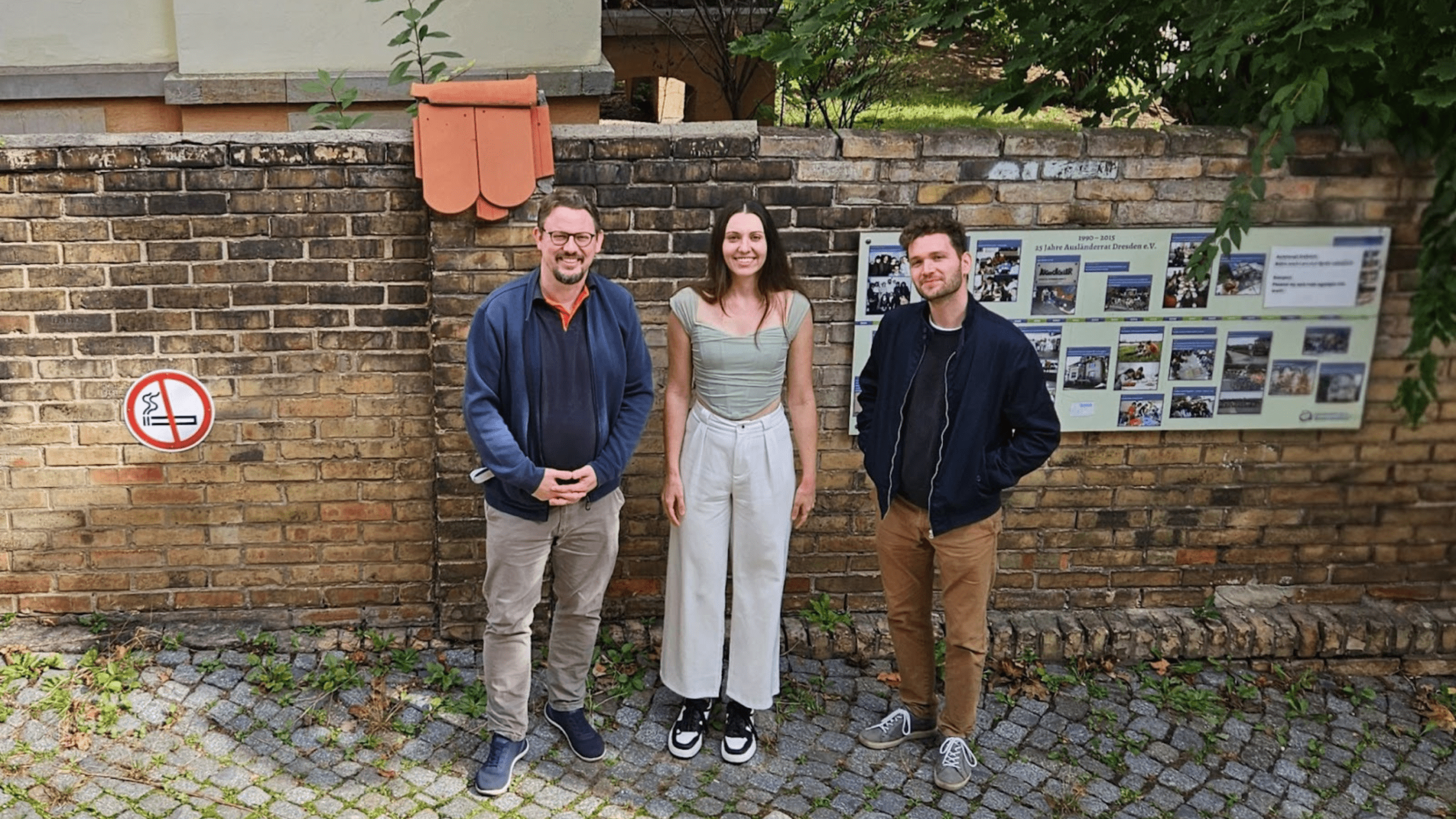
(Part 3: Ausländerrat Dresden e. V., Dresden, Germany)
At the Prague Integration Center, we strive to continuously improve our services. We also seek inspiration abroad, where, thanks to the Erasmus+ program (2024-1-CZ01-KA122-ADU-000240058), we can visit organizations that also work with foreigners. Job shadowing gives us the opportunity to gain new ideas for developing our services, establish new partnerships, and share examples of good practice with each other.
Our first mobility took us to Italy, where we visited an organization focused on comprehensive work with youth.
During the second mobility, we travelled to Sofia, Bulgaria, where we visited the Council of Refugee Women, an organization providing support mainly to refugees.
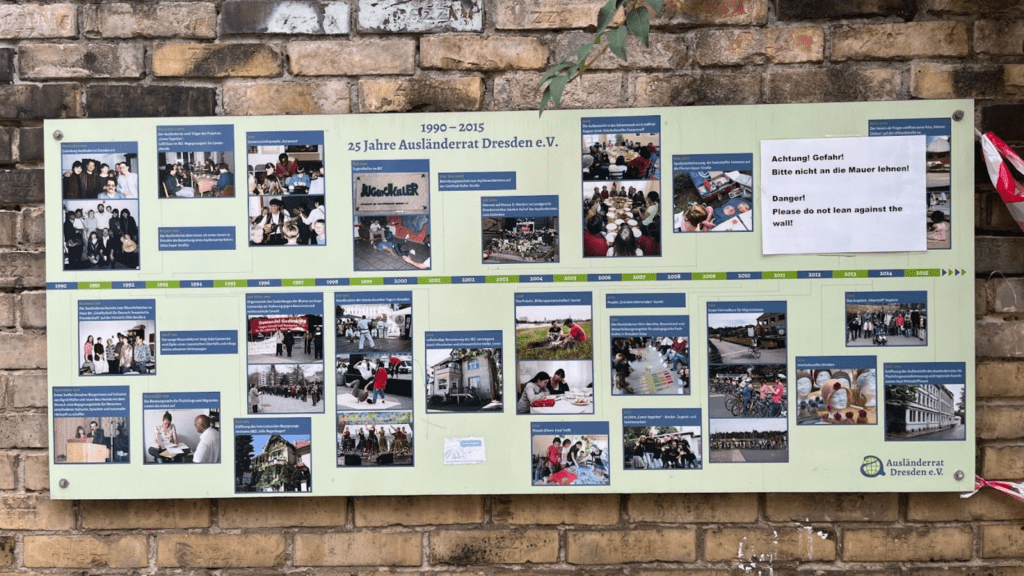
This time, our journey led us to Germany, where we visited Ausländerrat Dresden e. V. It is the largest non-governmental organization in Saxony, having supported migrants, families, and refugees for more than 35 years. It offers a wide range of services—from social work and education to community activities and specialized projects for women, youth, and seniors. The organization’s aim is comprehensive integration, strengthening clients’ skills, and ensuring equal access to institutions.
Initial Support and Service Structure
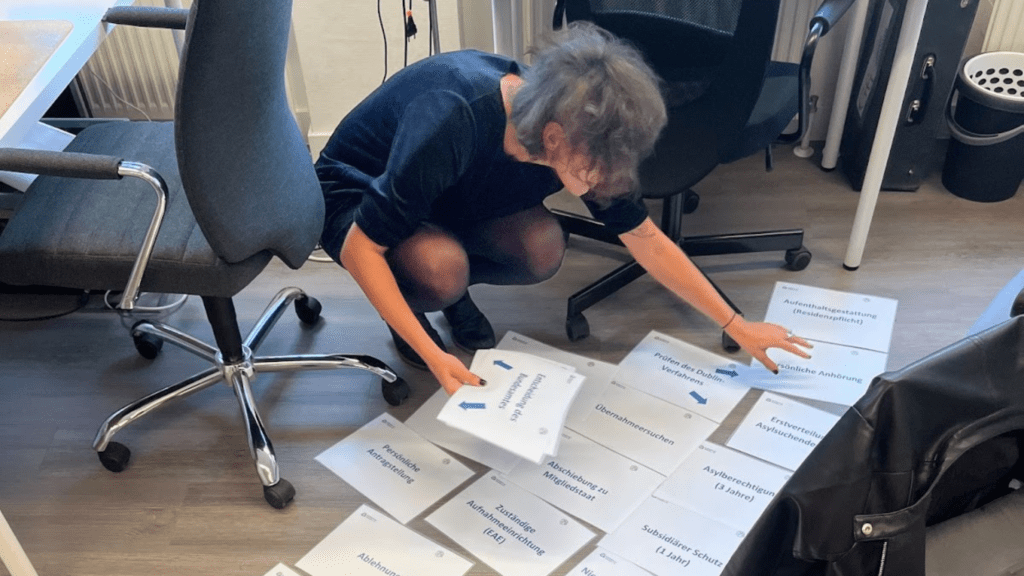
A large part of our visit focused on migration social work. In Dresden, this system is divided into three phases based on the length of a person’s stay: services for newly arrived migrants, integration support for those living in Germany for 1–5 years, and extended assistance for particularly vulnerable clients.
Newly arrived migrants are contacted within two days of registering their arrival, and during their first year they can receive up to forty hours of individual support—for example, help with finding housing, a doctor, schools, or navigating administrative procedures. After the first year, they transition to general counselling, which addresses long-term needs in areas such as employment, children’s education, healthcare, housing, and family matters.
Here, social workers spend a large part of their time in the field, and in addition to providing counselling, they also offer intercultural mediation. They cooperate with interpreters, accompany clients to schools or public offices, and often mediate not only the language but also the cultural context—for example, by explaining complex forms or institutional procedures. The system is highly interconnected and closely linked to municipal social services, which fund individual projects. At the same time, it faces challenges similar to those in the Czech Republic, especially the lack of affordable housing and the uncertainty of project-based funding. Despite this, it is inspiring thanks to its well-designed structure and strong emphasis on early support for newly arrived migrants.
Intercultural Mediation and Cooperation with Institutions
Intercultural workers are an essential part of the team. They accompany clients to schools, hospitals, and public offices, helping with both linguistic and cultural interpretation. Their role is highly respected in Dresden, and the organization places strong emphasis on close cooperation with institutions.
Staff members reported excellent cooperation with officials and healthcare providers, who routinely accept remote interpreting.This significantly streamlines client support and allows workers to help more people within a single day.
Support for Families and Children
A strong focus is placed on families with children. The organization runs the intercultural kindergarten Kleiner Globus, offers school social work, and provides educational partnerships that connect schools, children, and parents.
We were particularly impressed by the work with parents through adaptation programs. Parents are actively involved in the school integration process. They receive information about how the German school system works and are encouraged to maintain regular contact with the school. This collaboration significantly increases the success of children with migration experience.
Community Centres and Strengthening Participation
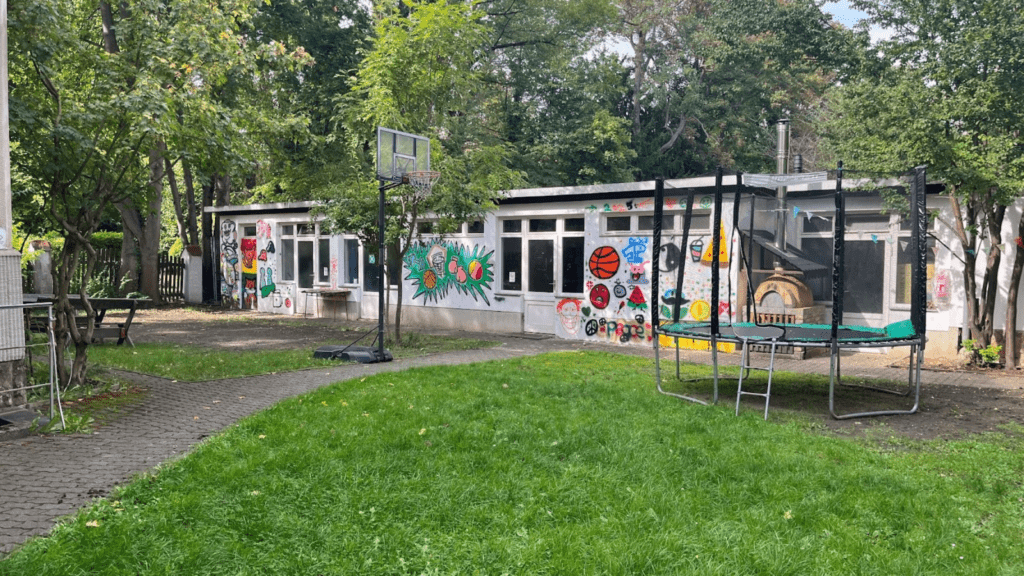
Ausländerrat operates several community centres that are open to both migrants and local residents. They offer language courses, leisure activities, community events, and counselling. The aim is to promote neighborhood cohesion and create a safe space for social interaction.
One of the most interesting projects is Dresden Migration Stories. In this project, migrants become city guides and, during themed walks, share their life stories and experiences of integration in Germany. The project boosts participants’ self-confidence, improves their language skills, and helps build new social connections. It also has a strong educational impact on the wider public.
Volunteering and Community Engagement
The organization works closely with volunteers, both local residents and migrants. Together, they participate in community events, tutoring children, language courses, and providing administrative support. Volunteering here serves as a tool to strengthen mutual understanding and promote active civic engagement.
Conclusion
We thank Ausländerrat Dresden e. V. for their warm welcome, for sharing many valuable experiences, and for the inspiration they provided. The insights we gained represent a valuable enrichment that will help us further develop services supporting the integration of migrants in Prague.
“Funded by the European Union. The views and opinions expressed are those of the authors and do not necessarily reflect the views of the European Union or the House of Foreign Cooperation. Neither the European Union nor the grant provider is responsible for them.”
